Evaluating the Music School Design for Real Embroidery Work
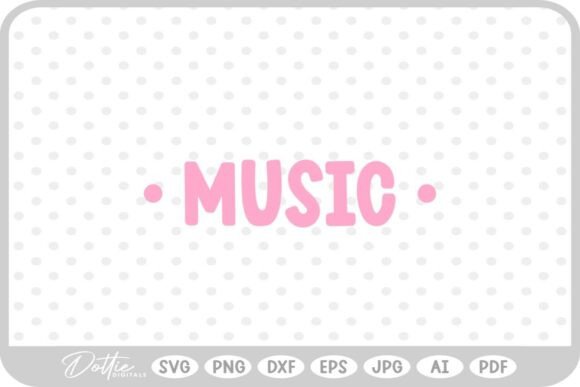
When a new embroidery file lands on your desk, the first question isn't about file formats—it's about its future on fabric. This Music School Subject design immediately strikes a chord of classic, cheerful academia. It’s not a stark, modern graphic; it feels like a warm, inviting emblem. The layout is balanced, with clear visual elements that suggest it’s destined for a satin stitch outline and some thoughtful fill stitches in the main shapes. The personality is friendly and recognizably ‘musical,’ which is a solid starting point for any project centered on education, gifts for teachers, or celebratory items for students.
The First Project Test: A Custom Embroidered Tote Bag
My practical test for any design is to imagine it on a common, real-world item. Let’s say a client requests a personalized gift for a retiring music teacher—a sturdy canvas tote bag. This Music School design comes to mind. The shapes are bold enough to translate well into stitches on a textured fabric, and the theme is instantly understood. You can visualize the central motif, stitched in a deep navy or burgundy, sitting proudly on the bag’s front panel. It wouldn’t feel too small or lost, nor overly dense and heavy for the fabric. That’s a good sign.
Where This Design Finds Its Natural Home
The beauty of a clear, thematic design like this is its versatility across product types. Beyond the tote bag, it would embroider nicely onto a cotton apron for a boutique music shop, a cotton pillow cover for a nursery or music room, or a simple tea towel as a clever kitchen gift for a musician. It has the visual weight to stand alone on a sweatshirt or t-shirt, likely working best as a medium-sized focal point on the chest or back. For craft businesses and Etsy sellers, this design could anchor a whole line of merchandise—from embroidered patches for jackets to custom caps for a school ensemble.
I’d be cautious, however, about placing it on very small items like baby clothes without careful testing. The level of detail needs to be preserved, and a tiny hoop size might compromise some of the cleaner lines. Similarly, stretchy fabrics or very dark backgrounds would demand extra attention to stabilizer and thread color contrast to keep that cheerful mood intact.
Performance Under the Hoop: A Realistic Assessment
Moving from imagination to the machine, a few practical considerations come forward. For apparel decorators and small shop owners, the clarity of the design elements is paramount. The provided files—SVG, PNG, DXF, and others—are the blueprint. Their quality dictates how clean your embroidery file will be. Assuming these are crafted well, as described, the transition to an embroidery format should maintain the design’s integrity. You’d want to test stitch density on scrap fabric first, especially in any areas that might become dense fill stitch regions. A overly dense area on a thin fabric, like a standard t-shirt, could lead to puckering.
Visual appeal and customer trust are built in the stitching. A design that stitches out clearly, with crisp edges and without unnecessary thread breaks, looks professional. This Music School design, with its recognizable theme, adds immediate value to a handmade product. It feels giftable and specific, which enhances buyer engagement in an Etsy listing or at a craft fair. It’s not a generic graphic; it tells a story, which is gold for creative entrepreneurs.
Notes for the Embroidery Designer’s Workflow
Before running this for a client project or commercial embroidery, my routine checks apply. Always hoop your stabilizer correctly for the base fabric—a canvas tote needs different support than a baby blanket. Review the design in black and white mockups to see how the shapes hold without color, and compare it on both light and dark fabric backgrounds in your software. This helps plan thread palettes. Check any tiny lettering or intricate corners in the design; sometimes a small adjustment in stitch type (a running stitch instead of a satin for tiny details) can save a lot of frustration.
Most importantly, confirm the licensing. The description notes the files are for cutting machines, but for embroidery designers, the license for the underlying design is crucial. You must verify that using this design for commercial projects—selling the embroidered tote bags, sweatshirts, or patches—is permitted. Never assume.
The Final Stitch: Building a Cohesive Product Line
For the small business owner or digital product seller, this isn’t just a single embroidery project. It’s a potential design asset. The Music School Subject could be the core of a branded line for a music-themed boutique. Imagine it on a range of items: embroidered pillow covers, aprons, and kitchen towels, all presented in cohesive printable mockups for your online shop. The design’s consistent personality aids brand consistency.
In the end, the practical judgment is positive. This design has a strong, applicable theme and a layout that appears to translate well into stitches. It fits naturally into the world of personalized gifts and custom apparel. With proper designer diligence—testing, stabilizing, and respecting licensing—it can become a reliable, professional part of your embroidery work, whether for a one-time holiday gift or a whole collection of craft business items.
Remember, the files are your starting point. Their quality will be proven under the hoop. So, load them, test them on scrap, and see how that music school emblem sings in thread.