Evaluating Pencil School Stationary Design for Embroidery
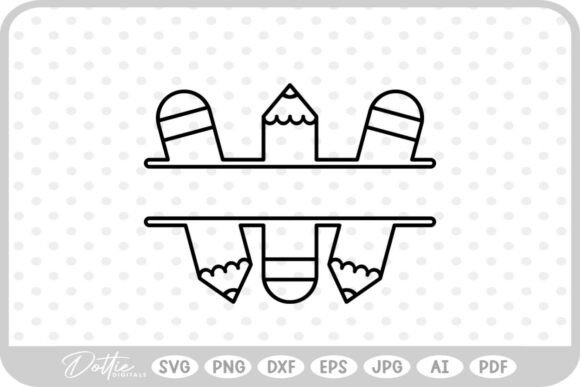
When a new embroidery file lands on my desktop, my first question isn’t about the formats, it’s about its soul. Does this design have a clear personality? Does it tell me where it wants to be stitched? Opening the Pencil School Stationary SVG PNG DXF bundle, the answer was immediate. This isn’t just a graphic; it’s a nostalgic mood. The classic pencil and ruler motif, paired with crisp lettering, evokes a warm, scholastic charm. It feels instantly applicable—a design with a purpose.
The First Impression: Where This Design Naturally Belongs
The layout is balanced and thoughtfully simple. For an embroidery designer, that’s a gift. The elements aren’t overly dense, which means translating it from a digital file to stitches won’t be a battle against puffiness or distortion. My mind immediately pictured it on a canvas tote bag for a teacher, a patch on a denim jacket for a student, or delicately stitched onto a linen pillow cover for a cozy study nook. Its visual personality is friendly and recognizably “craft,” making it a perfect candidate for handmade products aimed at educators, students, or anyone with a love for classic stationery themes.
Real-Life Embroidery Scenario: A Custom Teacher’s Tote
Let’s walk through a real project. Imagine a client request for a personalized gift: an embroidered tote bag for a retiring teacher. The Pencil School Stationary design is an ideal core asset. Using the provided vector files, I can easily scale it to a prominent size on the bag’s front panel. The clean lines of the pencil and ruler would translate well into a crisp satin stitch outline or even an appliqué approach, saving time and thread. The lettering, given its clear design, should maintain readability in stitches, which is crucial for customer satisfaction. The final product wouldn’t just be a bag; it’d be a sentimental, high-value personalized gift.
Performance Across Product Types
This design’s versatility is its strength. For small business owners and Etsy sellers, it’s a ready-made asset for a whole line of craft business items. Think embroidered aprons for crafters, tea towels with a scholarly twist, or baby clothes with a playful “future student” theme. On sweatshirts and caps, the design’s moderate detail level means it can be stitched at a manageable size without losing its identity. As a digital embroidery file, it also serves beautifully in printable mockups for online listings, helping customers visualize the finished product instantly.
Where Caution is Needed: Practical Designer Notes
No design is universally perfect, and a professional review must highlight where attention is required. The Pencil School Stationary design, with its smaller lettering and precise instrument details, demands a thoughtful approach on certain projects.
On very small hoop sizes, the finer details might become challenging. Stitching this onto a curved surface like a cap requires excellent stabilizer and possibly simplifying the smallest elements to ensure clarity. On textured or stretchy fabrics, like some knit sweaters, a sturdy stabilizer is non-negotiable to prevent puckering. For dark fabric backgrounds, a careful thread color selection becomes paramount—you might need to opt for brighter, contrasting shades to make the pencil and ruler pop, rather than using the default color scheme implied by the graphic.
- Always test the design on scrap fabric first, matching the final project’s material.
- Check stitch density in your software preview; adjust if any areas look too dense for your chosen fabric.
- Inspect small details like the pencil tip or ruler markings; consider if they need slight simplification for very small-scale embroidery.
- Run both light and dark fabric background mockups to plan your thread palette.
The Impact on Your Business and Customers
Using a well-crafted design like this affects more than just the stitch quality. It boosts the perceived value of your finished product. A clean, recognizable embroidery design enhances customer trust and professionalism. For a small shop product, it contributes to brand consistency if you develop a line of scholastic-themed goods. Its inherent giftability makes it a strong candidate for holiday or wedding gifts for teachers, increasing buyer engagement. In commercial embroidery projects, such as boutique merchandise, it offers a classic, inoffensive appeal that resonates widely.
Final Practical Steps Before You Stitch
My final advice mirrors my own workflow. The provided high-quality cutting files in multiple formats are a great foundation for machine embroidery design preparation. However, as the product description focuses on cutting machines, an embroidery designer must take the next step.
You will need to convert or adapt the file for your specific embroidery software and machine. Before committing to a client project or producing inventory for your craft fair products:
- Confirm the actual embroidery file compatibility and desired hoop size for your machine.
- Review the licensing terms for this Pencil School Stationary SVG PNG DXF product to confirm it covers your intended use, whether for personal embroidery projects or commercial embroidery sales.
- Plan your stitch types—will this be an outline stitch, a fill stitch, or an appliqué design? Each choice changes the final look and production time.
Approaching this graphics bundle with a designer’s eye transforms it from a digital asset into a tangible opportunity. It’s a design that, with practical preparation, can stitch out beautifully, adding a touch of heartfelt, handmade charm to everything from a custom apparel item to a cherished personalized gift. That’s the real test of a good design file: does it make the journey from screen to thread not just possible, but perfectly delightful.