A Designer’s Review: “Mistakes Allow Thinking Happen” Vintage Design
First Impressions: A Perfectly Imperfect Mood
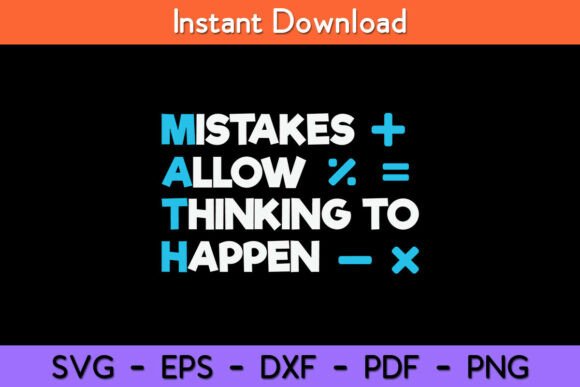
When I first opened the “Mistakes Allow Thinking Happen” Vintage embroidery design, I smiled. It has that immediately charming, slightly weathered look that feels authentic and approachable. The design isn’t shouting; it’s inviting a conversation. The vintage typeface and the relaxed layout create a mood that’s both intellectual and warmly humorous. It doesn’t feel like a generic graphic; it feels like a found treasure. This visual personality tells me it belongs on items where the message is a gift—something to be discovered and appreciated.
As an embroidery designer thinking about real projects, I see this design landing perfectly on a cozy, well-worn sweatshirt for a math teacher, or as a subtle, clever detail on a canvas tote bag for a student. It’s the kind of handmade product that gets a nod of recognition, not just a glance. The detail level is balanced: the letters are clear enough for stitching clarity but carry enough vintage character to avoid looking sterile or computer-perfect.
Where This Design Thrives: Project Scenarios That Feel Real
Let’s walk through a real-life scenario. Imagine you’re preparing a custom embroidered tote bag as a holiday gift for a favorite tutor. You want it to feel special, personal, and a bit timeless. This design is a frontrunner. Stitched in a soft slate blue or a deep burgundy thread on natural canvas, the vintage aesthetic would harmonize with the fabric’s texture, elevating the finished product from a simple bag to a thoughtful keepsake. The visual appeal here is about resonance—it matches the recipient’s world.
For small business merchandise, like in an Etsy shop specializing in teacher gifts or academic-themed apparel decorators, this design adds product value. It’s niche enough to attract a specific buyer but broad enough in its warm humor to appeal to anyone who values growth and learning. On a baby item, like a little sweater for a child of a professor, it becomes a deeply personal personalized gift with a story. Stitched on a patch and applied to a denim jacket, it taps into that trendy, statement-making craft fair vibe.
- Premium Sweatshirts & Hoodies: The vintage feel pairs beautifully with fleece textures.
- Library & Kitchen Towels: A clever, conversation-starting accent for utilitarian items.
- Nursery Decor Pillows: For a learning-themed room, it’s inspirational without being childish.
- Boutique Aprons: Perfect for a cooking instructor or a home baker with a sense of humor.
- Embroidered Caps: On a curved surface, the design’s compact layout would adapt well.
Practical Considerations: Where to Use With Care
My designer instinct is to always consider where a design might struggle. For “Makes Allow Thinking Happen” Vintage, the main consideration is scale and fabric. The vintage styling, with its potential for finer details in the letterforms, means you need to be mindful on very small hoop sizes. If you’re thinking of a tiny motif on a baby sock cuff, some of that charming detail might get lost or become too dense.
Stitch density in the fill areas, if the design uses solid blocks, should be watched on thin fabric like lightweight tees or on stretchy fabric like athletic polos. A good stabilizer is your best friend here. Also, because it’s a primarily text-based design, executing it on dark fabric requires thoughtful thread color contrast. A bright white might clash with the vintage mood; consider a cream, oat, or soft grey to maintain that antique feel.
For products needing frequent washing, like kitchen towels or everyday custom apparel, ensuring the stitching is secure and the design isn’t too sprawling will help longevity. On curved surfaces like caps, pay extra attention to the layout in your software to ensure the text doesn’t distort at the seams.
How This Design Impacts Your Craft Business
Using this design isn’t just about making an item; it’s about building customer trust and brand consistency. If your shop specializes in witty, intelligent designs, this fits the portfolio perfectly, reinforcing your niche. Its giftability is high—it feels like a message, not just a decoration. This drives buyer engagement. In printable mockups for your digital product listings or in photos of your finished product, the design conveys a professionalism through its cohesive theme.
For commercial embroidery projects, say for a small tutoring company wanting branded merchandise, this design offers a friendly, human alternative to stark corporate logos. It builds recognition around a philosophy, not just a name.
Embroidery Designer Notes: Your Pre-Stitch Checklist
Before you load this embroidery file and start your project, here’s my practiced routine:
- Always test the design on scrap fabric first, using the same material you plan for the final project. This reveals how the vintage details translate into stitches.
- Check thread color contrast not just on screen, but with actual thread swatches against your final fabric.
- Review stitch density in your embroidery software preview. Look for any overly dense areas that might pucker.
- Confirm hoop size compatibility. Ensure the design dimensions match your intended hoop without requiring excessive scaling.
- Inspect small details, particularly in the lettering corners, to ensure they’ll stitch out cleanly.
- Test it in black and white mockups to see how it reads purely as shape and form.
- Compare light and dark fabric backgrounds digitally to plan your thread palette.
- Use proper stabilizer for your specific fabric type—this is non-negotiable for clarity.
- Most critically, check whether the design works for both personal and commercial projects. As this is a digital embroidery file from the Graphics category, confirm the licensing terms provided by the seller before selling any finished items or incorporating it into your craft business products.
Embroidery, at its best, is about marrying a great design with thoughtful execution. “Mistakes Allow Thinking Happen” Vintage gives you the first part—a design with heart, character, and a clear purpose. Your skill and attention to these practical details will deliver the second: a stitched product that feels just as meaningful and enduring as the message it carries.