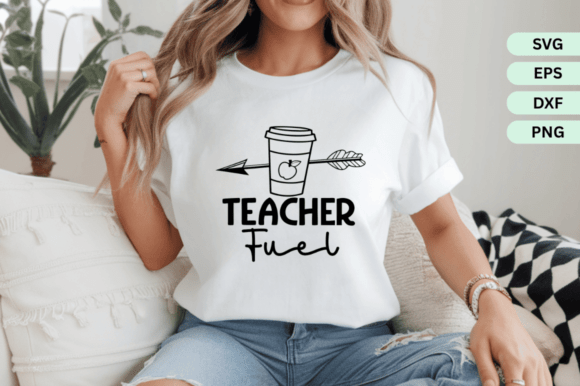
A Designer’s Real-World Review of the Teacher Fuel Embroidery Design
Every time I open a new embroidery file for review, I’m not just looking at a graphic; I’m visualizing it stitched out on a real product, held in someone’s hands, or displayed in a small shop. Today, I’m considering the Teacher Fuel SVG, PNG Design. This isn’t a generic assessment. It’s a practical walkthrough of how this design performs when it moves from a digital graphic on my screen to a finished, embroidered product for a client or my own craft business.
The Immediate Mood and Project Fit
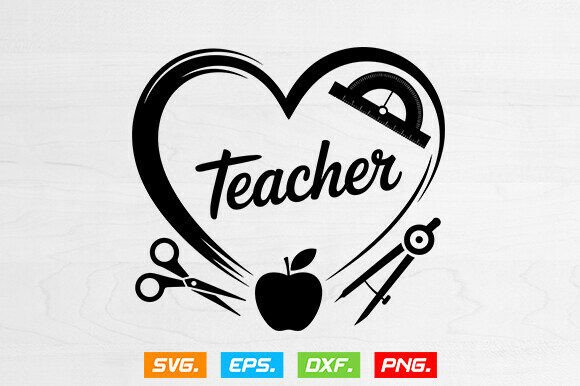
Right away, the Teacher Fuel design communicates appreciation and support. Its theme is clear, warm, and inherently gift-oriented. The layout and typography feel approachable rather than overly formal, which gives it a versatile personality. It doesn’t scream “corporate logo”; it whispers “personalized thank-you.” That mood tells me this isn’t a design for mass-produced uniforms. It belongs on heartfelt, handmade items.
My mind instantly goes to a specific scenario: preparing a set of custom embroidered tote bags and tea towels for a teacher’s end-of-year gift from a class. Or, for an Etsy seller creating a line of “teacher appreciation” sweatshirts for a boutique. The design feels naturally suited to giftable, everyday items rather than purely decorative wall art. It has that blend of function and sentiment that makes a product feel special yet usable.
Performance in Actual Embroidery Projects
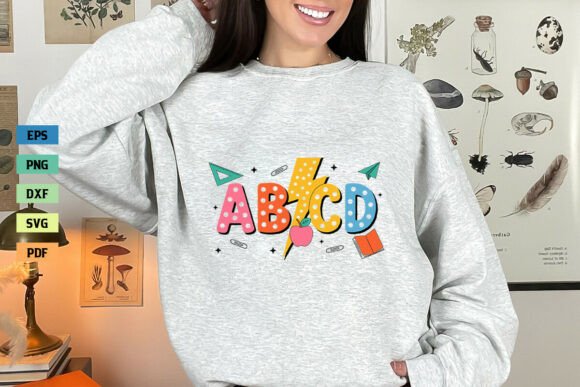
Let’s talk about real stitching. When I evaluate a design for machine embroidery, I think through its journey across various materials. For Teacher Fuel, I envision it on a cozy crewneck sweatshirt—the text and elements need to hold up on a textured, slightly stretchy fabric. On a sturdy canvas tote bag, it would become a durable, everyday accent. On a baby onesie or a soft blanket as a gift for a teacher’s new baby, the scale and detail would need to adjust to smaller, finer fabrics.
The design’s strength, from an embroidery perspective, is its likely clarity. It appears built for clean satin stitches on lettering and solid fill stitches in the illustrative elements. This translates well to custom apparel, embroidered patches, and home goods like pillow covers or aprons. For a small business owner, this means the finished product looks professional and crisp, which directly boosts customer trust and the perceived value of your handmade product. A clean stitch-out makes a design look intentional, not just slapped on.
It’s also a prime candidate for holiday embroidery projects—think end-of-school-year gifts—or for year-round personalized products in a shop focused on educators. As a digital embroidery file, its utility in creating printable mockups for your Etsy listings is huge. You can show potential buyers exactly how it would look on a cap, a towel, or a tee, which dramatically increases buyer engagement.
Where This Design Demands Extra Care
No design is universally perfect, and a professional review must highlight the considerations. With a theme like this, the lettering and any small decorative accents are the areas to watch. If you’re thinking of miniaturizing it for a baby embroidery project on a tiny hoop, you must test first. Tiny lettering can lose clarity if the stitch density is too high or the font details are too fine.
Stretchy fabric like t-shirts or dark fabric requiring light thread also present challenges. The contrast needs to be sharp, and a proper stabilizer is non-negotiable to prevent puckering. Embroidering on caps or other curved surfaces? The design’s layout needs to be adaptable; some elements might need repositioning to avoid awkward seams.
Also, consider the product’s life. A kitchen towel or an apron with this design will need frequent washing. That means your stitch quality and thread choices need to be durable. A poorly executed stitch on a well-loved item will fray faster and disappoint your customer.
Practical Notes for the Embroidery Designer
Before you commit this to a client’s order or a batch of small shop products, here’s my standard protocol. I always test the design on scrap fabric first—the same fabric I’ll use for the final product. I check thread color contrast against both light and dark backgrounds. I review the stitch density in the preview; too dense can stiffen a soft fabric, too sparse can look unfinished.
I confirm the effective hoop size needed for the version I’m using. I inspect any small details in the file preview to ensure they’ll translate to clean stitches. Crucially, I verify the licensing. Is this Teacher Fuel design cleared for commercial embroidery projects where I sell the finished items? Or is it only for personal use? That step is essential for Etsy sellers and creative entrepreneurs to protect their businesses.
The Final Impact: From Digital File to Finished Product
When you stitch out a design like Teacher Fuel successfully, it does more than decorate an item. It elevates it. For a gift, it adds a layer of thoughtful, custom professionalism that a store-bought card can’t match. For a craft business item, it reinforces your brand’s consistency and attention to detail. Customers recognize the care in a well-embroidered piece, which builds loyalty.
This design, by its nature, fosters connection. It’s a message of appreciation rendered in thread. That emotional resonance, paired with technical execution, is what turns a simple graphics file into a beloved finished product. It fits perfectly within the crafts category because it’s meant to be made, to be given, and to be used.
My final, friendly advice: embrace its giftability and warmth. Use it on items where that message will be seen and felt daily. But approach it with the practical respect any embroidery project deserves: test, stabilize, and stitch with care. That’s how a digital design becomes a real-world success.