A Real-World Review of the Teacher Life Embroidery Design
When you work with digital embroidery files every day, you develop a kind of sixth sense. You can look at a design and immediately visualize how it will stitch out, what projects it will suit, and whether your clients or customers will genuinely love it. Today, I’m putting that lens on the Teacher Life SVG design, evaluating it not as a digital listing, but as a tool for real embroidery work.
First Impressions: More Than Just a Theme
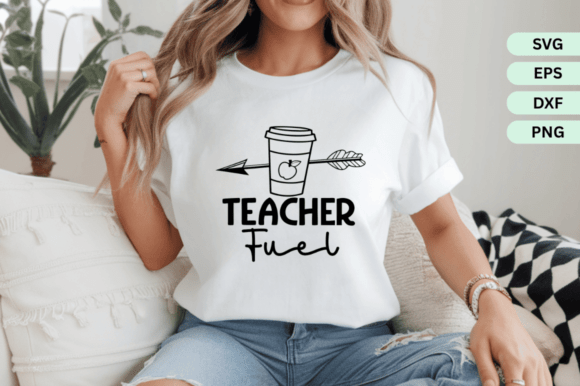
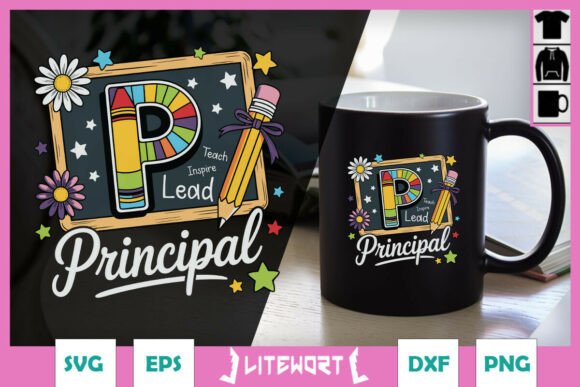
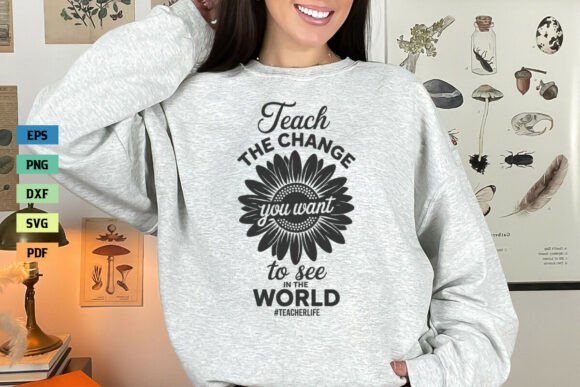
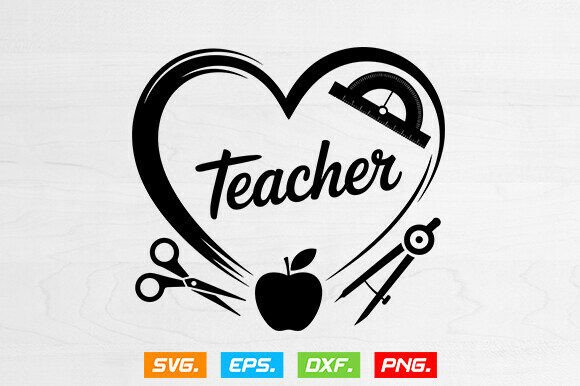
The first thing I notice about any design is its visual personality. Teacher Life SVG, Commercial Use, School has a straightforward, thematic appeal. It’s not overly fussy or crammed with tiny details that will vanish in stitching. This clarity is a huge advantage. For a craft business owner or an apparel decorator, this means the design communicates its message quickly—a celebration of the teaching profession. The mood is friendly and recognizable, which is perfect for creating gifts or merchandise that feel personal and appreciative.
This design naturally belongs to projects where sentiment matters. I picture it on a cozy sweatshirt for a teacher’s lounge, a sturdy tote bag for carrying supplies, or a crisp apron for a classroom volunteer. Its layout suggests it would work well as a centered focal point, not as a small, scattered accent.
The Stitching Scenario: From Digital File to Finished Product
Let’s walk through a typical real-life application. Imagine a client orders a custom embroidered tote bag as a holiday gift for their child’s teacher. You’ve downloaded the Teacher Life SVG file. Your job is to transform that digital graphic into a tactile, beautiful finished product.
On a medium-weight canvas tote, this design should perform well. The likely use of bold shapes and clean lettering means satin stitches and fill stitches will lay down clearly, creating a professional look. The value for a small shop product like this is high—it’s a thoughtful, handmade presentation that surpasses a generic store-bought gift. For an Etsy seller, this translates directly into buyer engagement; customers see a product that feels specialized and meaningful.
Where This Design Excels and Where It Needs Care
This embroidery file seems ideal for larger, flat surfaces. Think pillow covers, kitchen towels, or the front of a sweatshirt. On these, the design’s elements can shine without distortion. It would also work beautifully as an embroidered patch, which could then be applied to various items, adding versatility for a creative entrepreneur.
However, careful consideration is needed for certain applications. On small hoop sizes, any intricacies in the lettering could become problematic. Stitching on highly textured fabrics, thin fabrics, or dark fabrics will require extra attention to stabilizer and thread color contrast to maintain clarity. Curved surfaces like caps are a more advanced use case; the design’s layout might need adaptation to fit the contour without losing its visual balance.
Products destined for frequent washing, like baby clothes or everyday aprons, demand a robust embroidery file with good stitch density to withstand wear. Without knowing the exact stitch count from the listing, my practical advice is to always test on scrap fabric first, simulating the same fabric and wash conditions your finished product will face.
A Note on Commercial Confidence and Craft Business Use
The inclusion of “Commercial Use” in the product title is significant for digital product sellers and small business owners. It suggests you can use this to create items for sale. This affects customer trust and brand consistency—you can reliably produce a line of teacher-themed merchandise. However, a crucial step remains: confirm the licensing terms explicitly before selling any finished items. The listing provides an SVG and EPS file, which are excellent for scalability and digital product previews or printable mockups, but the exact terms for commercial embroidery projects should be verified.
Practical Insights for Your Next Project
Before you load this machine embroidery design into your software and hit start on a real client project or craft fair product, here are my grounded, designer notes.
- Test First: Always stitch it out on a scrap of your target fabric. This reveals everything: stitch density, thread tension needs, and how small details like decorative accents actually look.
- Check Contrast: How does it look on both light and dark fabric backgrounds? You might need to adjust thread color palettes for each.
- Consider Scale: Test it in different sizes via your software. Does the “School” element remain legible when scaled down for a baby bib? Does it look balanced when enlarged for a blanket?
- Plan the Product: Think about the end use. A holiday gift for a teacher might be best on a premium item like a wool blanket. Boutique branding might use it on a simple, elegant tea towel. Match the design’s personality to the product’s purpose.
- Assess Professionalism: When stitched well, a clean design like this elevates the perceived quality of your handmade product. It looks intentional and skilled, not amateurish.
In the world of crafts and graphics, a file is just a starting point. The Teacher Life SVG, Commercial Use, School design offers a strong, thematic starting point with clear commercial potential. Its real value is realized not in the download, but in the thoughtful application—on the right fabric, for the right product, with the careful preparation that turns a digital asset into a cherished embroidered item. Whether you’re personalizing a gift or building a line of small shop merchandise, this design can be a reliable, engaging tool in your embroidery project toolkit.