Chemistry School Subject Design for Real-World Embroidery
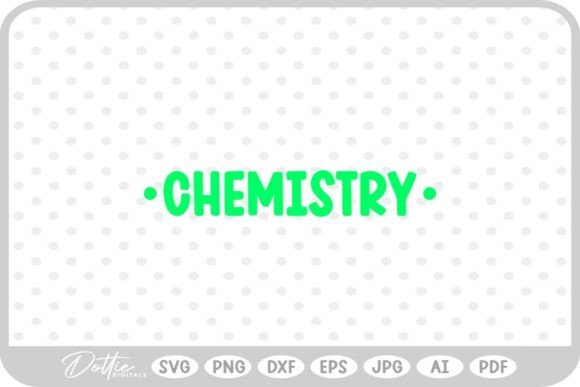
When you’re in the trenches of client projects and small shop merchandise, a new embroidery file isn’t just a graphic—it’s a potential asset or a potential headache. Today, I’m looking at the Chemistry School Subject SVG PNG DXF bundle from the perspective of an embroidery designer who needs reliable, high-performing files. Let’s walk through how this set actually translates from screen to stitch.
The First Glance: Clean Lines and Academic Charm
My first impression was that this is a thoughtfully constructed graphic. The layout has a classic, almost vintage school subject feel, with clear shapes and a balanced composition. It doesn’t scream novelty; it whispers recognition. This creates a mood of trusted, familiar quality—perfect for gifts or products where the recipient’s passion or profession is the star. The detail level is intentionally simplified, which is a major advantage for embroidery. Complex vector art can become a nightmare of tiny satin stitches, but this design looks ready to become a clean, legible stitch pattern without excessive density.
Where This Design Naturally Belongs in Your Project Queue
I immediately pictured it on a custom tote bag for a science teacher, or as a subtle, sophisticated patch on a lab coat or apron. The graphic personality leans toward practical and proud, making it ideal for personalized gifts, boutique academic merchandise, or even branded items for a small business in the education or science field. I’d slot it alongside projects like embroidered pillow covers for a graduate’s dorm, a custom sweatshirt for a chemistry major, or a neatly embroidered tea towel for a science-loving home kitchen.
Performance in Real-Life Embroidery Situations
Let’s talk application. I evaluated this as if I was preparing a client order for an embroidered canvas tote.
The availability of multiple file formats—SVG, PNG, DXF, and others—means you’re covered from digital mockup to machine setup. For embroidery designers, this is crucial. You can use the PNG for quick printable mockups in your Etsy listings or for client previews, while the vector files are essential for clean scaling and integration with your embroidery software. The claim that they’re crafted for cutting machines like Cricut and Silhouette suggests clean paths, which often translates well to generating clean embroidery paths too.
- On Custom Apparel: On a mid-weight cotton sweatshirt or t-shirt, the design should stitch out with clarity. The shapes are bold enough to hold up on stretchy fabric with proper stabilizer.
- On Accessories & Home Goods: For a tote bag, patch, or pillow cover, the visual appeal hinges on stitch clarity. This design’s open areas and defined lines should prevent thread buildup, maintaining a professional handmade presentation.
- For Commercial Projects: For a small shop selling teacher gifts or science-themed merchandise, this file can become a consistent design asset. Its recognisable theme builds product value and buyer engagement because it speaks directly to a specific audience.
Where a Designer’s Caution is Needed
No design is universally perfect, and practical judgment is key. Here’s where I’d proceed with care.
- Very Small Hoop Sizes: If you’re thinking of miniaturizing this for a baby clothes accent or a tiny cap logo, test first. Some smaller lettering or detail corners might need simplification to avoid stitch blur.
- Textured or Dark Fabrics: On a thick, textured blanket or a dark denim cap, thread color contrast is paramount. You’ll need to choose bold, high-contrast threads to keep the design popping.
- Dense Stitch Areas: While the design looks clean, always review the stitch density in your software before running it. Areas that look simple on screen can sometimes generate unexpectedly dense fill stitches.
- Products for Frequent Washing: For items like kitchen towels or aprons, the durability of the embroidery matters. A design with fewer tiny, delicate lines holds up better. This one appears robust, but always use appropriate techniques and stabilizers.
How This File Affects Your Business and Craft
Using a well-made file like Chemistry School Subject SVG PNG DXF impacts more than just the single project. It boosts customer trust because the finished product looks intentional and professional, not haphazard. For a creative entrepreneur, it aids brand consistency if you’re building a line around academic or science themes. The giftability is high—it feels personal and considered. And for commercial embroidery, it saves you time from having to create or heavily modify a base design, letting you focus on production and quality.
Practical Notes from the Embroidery Table
Before you load this file for a real project, here’s my standard checklist, formed from years of both successes and frustrating re-dos.
- Test on Scrap Fabric First: Always. Use the same fabric and stabilizer combination as your final product. This tells you everything about how the satin stitches or fill stitches will behave.
- Check Light and Dark Backgrounds: Run a mental (or actual) mockup on both a white and a black garment. Does it need a different thread palette for each?
- Inspect Small Details: Zoom in on the file in your software. Are there any microscopic gaps or lines that might vanish or become problematic stitches?
- Confirm Licensing Before Selling: This is critical. The product description mentions these are cutting files, but if you intend to sell the finished embroidered items or use the design in digital products for sale, you must verify the licensing terms. Never assume.
- Consider Both Personal and Commercial Use: Evaluate your goal. Is this for a one-off gift, or for inventory in your craft business? That decision might affect how you source materials and time the project.
In the end, the Chemistry School Subject SVG PNG DXF bundle presents itself as a solid, versatile graphics set for the embroidery designer looking for a reliable, theme-specific asset. Its strength lies in its clear, embroidery-friendly composition and multi-format readiness. It won’t be the right fit for every project—it’s not a whimsical holiday motif or a minimalist logo—but for its niche, it has the potential to stitch out beautifully, resonate with a specific audience, and become a trustworthy part of your design library for custom apparel, thoughtful gifts, and smart small shop merchandise.