The Interrupted Teacher: A Design Review for Crafters
When you download a new embroidery design, you’re not just getting a file—you’re investing in a future project. Your time, your materials, and your creative energy are all on the line. So, before I hit “stitch” on my machine, I always take a designer’s approach to evaluating a design like Sorry is My Teaching Interrupting Your T. Let’s walk through what this means for real-world use.
First Impressions: Wit and Visual Personality
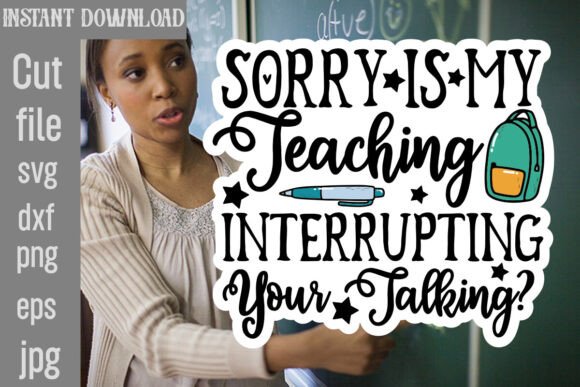
The immediate mood this design creates is playful and clever. It’s a witty statement with a clear, conversational tone. The layout feels centered and balanced, lending itself to a straightforward, impactful placement on a finished product. The personality is lighthearted but confident—it’s not just a text, it’s a quote with attitude. This tells me it naturally belongs to projects meant to elicit a smile or a nod of understanding: personalized gifts for educators, relatable apparel, or boutique products with a sense of humor.
Where This Design Shines in Real Projects
I envision this embroidery file performing exceptionally well on custom apparel. Think of a cozy, well-made sweatshirt—the text becomes a focal point, a badge of shared experience. It would be perfect for a custom tote bag for a teacher, adding a personal touch that standard products lack. For small business merchandise, like an embroidered patch or a crisp apron, it offers instant character.
In my own craft business, I’d consider it for a line of humorous kitchen towels or a simple, elegant pillow cover for a home office. The design’s clarity suggests it would stitch out cleanly on baby clothes for a teacher-parent, or on a cap as a niche gift. Its digital nature means it’s ready for quick turnaround, which is gold for Etsy sellers or craft fair vendors preparing holiday gifts. For digital product sellers, it’s a strong asset for printable mockups showcasing a finished, embroidered look.
Considering Fabric and Form
However, the success of any embroidery project hinges on practical execution. With a design like this, I’d be mindful of a few key scenarios. On very small hoop sizes, the lettering’s scale is crucial—tiny details might lose clarity. Textured or stretchy fabrics require careful stabilizer choice to keep the satin stitches or fill stitches sharp. Stitching on dark fabric demands high-contrast thread colors to maintain the message’s visual punch.
Curved surfaces, like caps, can distort layout, so testing placement is essential. Also, for products destined for frequent washing—like a beloved sweatshirt or baby blanket—stitch density and durability become priorities. A dense stitch area on thin fabric might cause puckering, affecting both the handmade presentation and the product’s longevity.
The Impact on Your Craft and Business
Using a well-executed design directly affects your project’s value. Sorry is My Teaching Interrupting Your T offers strong stitching clarity when applied correctly, which builds customer trust. A clean, professional embroidery result on a tote bag or tea towel elevates it from a simple craft to a desirable handmade product. This consistency strengthens your brand if you’re a small shop owner.
The design’s inherent giftability and recognition factor are high—it speaks directly to a specific audience. That engagement is what turns a casual browser into a buyer. For commercial embroidery projects, such as a batch of aprons for a boutique, it adds a unique, branded touch without requiring custom illustration.
Practical Notes From the Hoop
Before committing this design to a client project or your best-selling sweatshirt, here’s my standard practice. Always test on scrap fabric first. This reveals how the stitch density behaves with your preferred stabilizer and whether any small details need adjustment. Check thread color contrast against both light and dark fabric backgrounds—sometimes a mockup in black and white can highlight value issues.
Review the design in your software to confirm it suits your intended hoop size. Inspect corners and any decorative accents to ensure they’ll stitch out cleanly on your machine. Crucially, since this is part of a bundle of graphics, confirm the licensing terms before selling finished items or incorporating it into digital products for resale. Understanding whether it’s for personal or commercial use is a fundamental step for any creative entrepreneur.
A Real-Life Scenario: The Custom Teacher Tote
Let’s picture a specific case. I’m preparing a custom embroidered tote bag as a end-of-year gift for a favorite teacher. I choose a sturdy, natural canvas. This fabric has texture, so I’ll use a firm stabilizer. The design’s clean layout will center nicely on the front panel. I select a bold, navy thread for high contrast. After a test run on similar scrap canvas, I see the fill stitches are solid and the text is legible. The final product feels thoughtful and professional—not just a gift, but a usable, appreciated item that perfectly conveys the sentiment. That’s the real goal: a finished product that looks as good in reality as it did in the preview.
In essence, Sorry is My Teaching Interrupting Your T is a design with strong potential. Its value comes from its relatable theme and straightforward execution. By approaching it with a designer’s eye for real-life application—considering fabric, form, and final use—you can transform this digital embroidery file into a standout piece of custom apparel, a memorable personalized gift, or a successful item in your craft business. Your next step is to check the specific file formats and details provided in the bundle, then get ready to create something genuinely engaging.