A Practical Review of the Teacher's Day SVG Design
When a design lands in my project folder, I don’t just look at the preview. I think about how it will live in the world—stitched onto fabric, given as a gift, or sold in a small shop. Today, I’m considering the Teacher Assistant Teacher s Day SVG. This design immediately presents itself as a heartfelt, celebratory piece, built for a very specific and meaningful occasion. My first task, as always, is to visualize it not as a graphic on a screen, but as thread on material.
The Warm, Celebratory Mood of This Design
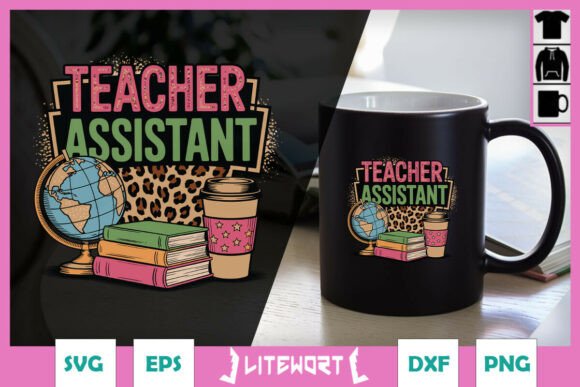
The layout and theme of this SVG strike a chord of appreciation. It feels designed for genuine recognition, not generic celebration. The visual personality is warm and straightforward, which is perfect for honoring the often-understated role of teacher assistants. For an embroidery designer, this means the design carries an inherent emotional value that translates directly into a product’s appeal. A customer isn’t just buying a decoration; they’re buying a message of thanks.
In terms of its form, the design seems to have a balanced layout that would lend itself well to a central placement on an item. The detail level appears thoughtful—it’s likely not overly dense with tiny elements that could become muddled in stitching. This is a crucial first impression: a design that’s too intricate can lose its clarity on fabric, especially on textured surfaces like sweatshirts or tote bags. This one feels like it maintains its personality without being fussy.
Where This Embroidery File Naturally Belongs
My mind goes straight to practical applications. Given its theme, the natural homes for this embroidery project are gift items and personalized products. Imagine a custom embroidered tote bag for a teacher assistant’s end-of-year gift. The design would sit centrally, a durable and useful item paired with a sincere message. Similarly, a neat, small-scale version on the corner of a high-quality kitchen towel or apron feels instantly appropriate—functional gifts with a handmade touch.
For small business owners and Etsy sellers, this design is a ready-made asset for holiday gift seasons. It could be the centerpiece of a simple, embroidered pillow cover for a classroom gift, or stitched onto a soft blanket for a nursery or daycare setting. The key here is that the product isn’t just merchandise; it’s a conduit for a sentiment. That increases its giftability and can directly affect customer engagement in your shop listings.
Considering Commercial Embroidery and Boutique Products
If you’re an apparel decorator or run a craft business, this design offers clear commercial potential. A well-executed embroidery of this theme on a classic crewneck sweatshirt or a crisp polo shirt could be a fantastic product for school boutiques or online stores catering to educators. The professionalism of the final product hinges entirely on the stitching clarity. A clean satin stitch on the lettering and a solid fill stitch in any decorative elements would make the finished product look trustworthy and high-value.
Navigating the Real-Life Stitching Situations
Now, let’s talk about the embroidery work itself. How does this SVG perform when the machine starts running? The included file formats—SVG, PNG, DXF—indicate versatility for import into design programs, which is essential. The note about it being pre-sized for cups is a helpful starting point, but as a professional, I never take that as the final word.
For real projects, you must consider the canvas. On a curved surface like a cap, the design’s layout needs to be assessed. Does it have elements that would distort on a curve? On thin or stretchy fabric, like a t-shirt, stitch density becomes paramount. Too dense, and the fabric puckers; too sparse, and the design looks weak. This design’s apparent balance suggests it could adapt well, but that requires testing.
Dark fabric is another consideration. A design with a lot of open space or fine lines might need a layer of topping stabilizer to prevent the dark fabric background from shadowing through lighter thread colors. The high-resolution PNG with a transparent background is a boon here, allowing you to create mockups on both light and dark backgrounds to preview this effect before you stitch.
Careful Use on Challenging Projects
There are places where I’d proceed with caution. If the design contains tiny lettering or very detailed corners, these areas might require a smaller hoop size and careful stabilizer choice to maintain crispness. Embroidering onto already layered garments, like a jacket, or onto highly textured fabrics demands a test run on similar scrap material first.
Also, consider products that need frequent washing, like baby clothes or kitchen linens. The durability of the embroidery depends on stitch integrity and stabilization. A design with very long satin stitches or large fill areas might be more prone to snagging over time. Inspecting the small details in your software before hooping is a non-negotiable step.
The Impact on Your Business and Brand
Using a design like this for your craft business or handmade shop affects more than just the single item. It contributes to your brand’s consistency. Offering a well-embroidered, thoughtful product builds customer trust. They recognize the care in the craftsmanship, which translates to repeat engagement. For digital product sellers, the quality of the source files—like the high-resolution detail mentioned—directly impacts your buyers’ success, which feeds back into your reviews and reputation.
Essential Designer Notes Before You Hoop
My practical advice for using this Teacher Assistant Teacher s Day SVG in any embroidery project mirrors my own workflow:
- Always test the design on scrap fabric first. Use the same material and stabilizer combo as your final project.
- Check thread color contrast against your final fabric in natural light. A digital mockup is a guide, not a guarantee.
- Review the stitch density in your software. Look for any areas that seem overly thick or jump-heavy.
- Confirm the hoop size needed. The pre-sized note is a clue, but your machine and project may require adjustments.
- Inspect small details, like the junctions between letters or decorative accents. Will they stitch out cleanly?
- Test the design concept in simple black and white mockups. This helps judge the layout’s strength stripped of color.
- Use proper stabilizer. This is the foundation of a clean stitch-out, especially for wearable or gift items.
- Crucially, check the licensing terms provided with the files. Confirm whether it’s suitable for personal use, commercial embroidery projects, or for selling finished products. This step protects your business.
Embroidery is a translation process—from digital file to physical thread. The Teacher Assistant Teacher s Day SVG, with its celebratory theme and practical file formats, looks like a strong candidate for that translation. When stitched with care onto the right product, it becomes more than a graphic; it becomes a tangible token of appreciation, a valued handmade product, and a credible offering for any creative entrepreneur’s portfolio. That’s the real measure of a design’s worth.