Spooky Teacher SVG: A Designer’s Practical Review
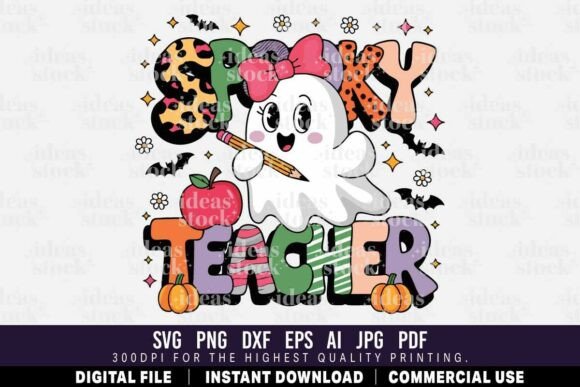
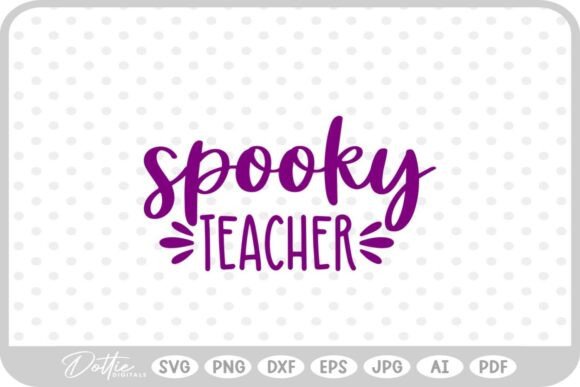
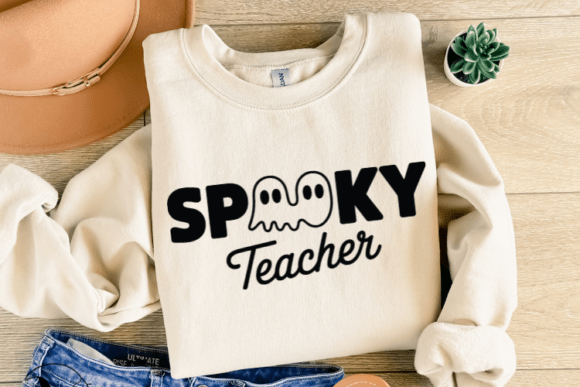
When you’re browsing for new embroidery assets, it’s easy to get swept up by a cute theme. But as an embroiderer who’s putting designs onto real fabric for clients and my own shop, I look for files that translate well from screen to stitch. Today, I’m considering the Spooky Teacher Shirt SVG for real project use.
First Impressions: Whimsy Meets Wearable
The mood here is playful and friendly, not overly scary—perfect for a teacher’s gift or fall-themed apparel. The layout feels balanced, with a clear focal point that would translate nicely into an embroidered silhouette. The detail level suggests it’s suited for a mid-range hoop size; it doesn’t look overly dense, which is a good sign for stitch clarity and fabric health. This design has a visual personality that’s more charming than spooky, making it ideal for personalized gifts or small business merchandise aimed at educators and parents.
The Natural Habitat for This Design
In my mind, this design immediately belongs on a cozy sweatshirt or a canvas tote bag. It’s the kind of graphic that elevates a simple garment into a thoughtful, handmade product. I picture it on a custom apron for a classroom volunteer, or as a small patch on a baby’s fall-themed sweater. For holiday gifts, it could shine on a tea towel or a pillow cover for a teacher’s home. Its appeal for craft business items is strong—it’s recognizable, niche-specific, and giftable.
Thinking about commercial embroidery projects, like a batch of tote bags for a school fundraiser, the design’s straightforward shapes would likely stitch out cleanly and efficiently. For Etsy sellers and boutique owners, it offers a ready-made theme that can be paired with other autumn listings, creating a cohesive brand collection around seasonal educator appreciation.
Where This Design Will Stitch Up Beautifully
On stable, medium-weight fabrics like cotton twill for tote bags or quilting cotton for pillow covers, I expect this embroidery file to perform very well. Sweatshirt fleece and apron canvas are also excellent candidates. The design’s personality would translate beautifully into a satin stitch outline or a clean fill stitch for the main elements, creating a polished, finished product that builds customer trust in your handmade presentation.
Handling the Tricky Spots: A Designer’s Caution
No design is perfect for every surface. Here’s where I’d proceed with care. If the SVG contains very tiny lettering or intricate decorative accents, those areas could become muddled on stretchy fabric like t-shirts or on textured fabrics like some knit caps. Small hoop sizes might compromise the clarity of finer details.
Embroidery on dark fabric always requires extra attention to thread color contrast; a pre-test on scrap fabric is essential. For curved surfaces like caps, the design’s layout would need to be assessed for distortion. Products needing frequent washing, like baby clothes or kitchen towels, would benefit from a robust stabilizer choice and a review of stitch density to ensure longevity. In all these cases, the key is adapting the technique to preserve the design’s visual appeal.
A Real-Life Scenario: The Custom Embroidered Tote
Let’s walk through a typical project. A client orders a custom embroidered tote bag as a teacher gift. I load the Spooky Teacher SVG, select a mid-weight stabilizer, and hoop my canvas. As the machine runs, I’m watching for those small details—the points of a witch’s hat, the curve of a smile. On this fabric, it stitches out cleanly. The finished product feels professional and charming, exactly the kind of item that boosts buyer engagement and feels special. This is the design working as intended.
Affecting Your Business and Craft
Using a design like this isn’t just about a single stitch-out. It affects your brand consistency. If you’re a digital product seller offering printable mockups, a clean, well-proportioned design asset like this enhances your portfolio. For creative entrepreneurs selling finished products, it adds a seasonal, targeted item that can be personalized, increasing its giftability and recognition.
A successful embroidery project builds professionalism. When the stitch clarity is high and the placement thoughtful, customers perceive greater value. This design, by its theme and likely construction, has the potential to create that positive outcome when paired with good technique.
Practical Notes From the Hoop
Before you commit this to a client project or your small shop product line, here’s my standard checklist. Always test the machine embroidery design on scrap fabric first, using both light and dark backgrounds if possible. Check your thread color contrast against your final garment. Review the stitch density in your software preview—look for overly dense areas that might pucker thin fabric.
Confirm the hoop size you’ll need; a design too large for your available hoops is a common pitfall. Inspect any small details in the file to see if they’ll survive the translation to stitches. It’s also wise to test the design in a simple black and white mockup to judge its silhouette strength.
Most importantly, always confirm the licensing terms before selling finished items or commercial embroidery projects. The product description mentions suitability for handmade business product lines, but the specifics are crucial. Ensure your use—whether for personal gifts or for craft business merchandise—is covered.
Final Thoughts for Makers
The Spooky Teacher Shirt SVG presents a lovely opportunity for fall-themed projects. Its strength lies in its clear theme and likely manageable complexity, making it a good candidate for embroidered apparel, patches, and home decor. Approach it with the practical steps any experienced embroiderer takes: test, adapt, and choose the right product canvas. When you do, it can become a reliable part of your holiday embroidery or educator gift lineup, creating products that feel thoughtfully made and genuinely delightful.