School Nurse Design: A Professional Embroidery Review
When a digital embroidery file lands in my project folder, my first thought is always practical: how will this translate from screen to stitches? Today, I’m looking at the School Nurse SVG PNG, considering it through the lens of real-world embroidery projects. This isn’t just about the graphics themselves; it’s about the mood they create, the products they can elevate, and the subtle challenges a designer needs to anticipate before hitting the start button on their machine.
The First Impression: Clear, Recognizable, and Warm
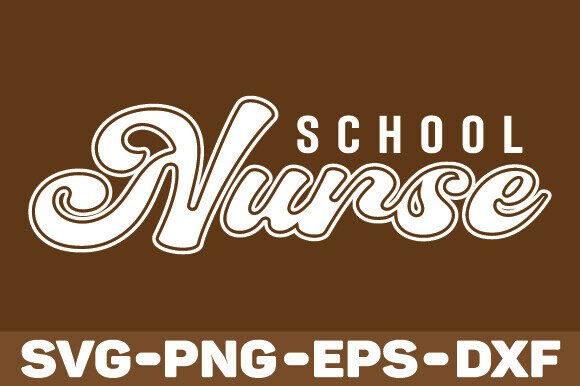
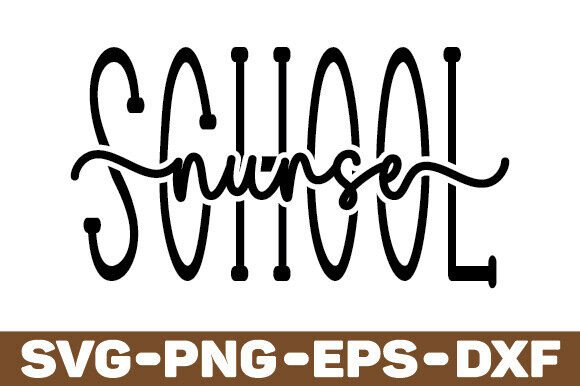
The School Nurse SVG PNG has an immediate, friendly clarity. The theme is unmistakable, which is a huge advantage for a niche design. In the craft and graphics world, specificity sells. The layout feels balanced, with lettering and likely accompanying graphical elements (like a nurse’s cap or medical cross, based on the title) that seem designed to work together without overcrowding. This visual personality leans toward warmth and professionalism—a combination perfect for creating products that feel both heartfelt and trustworthy. It doesn’t scream novelty; it whispers appreciation. That tells me this design belongs on items meant for genuine recognition or personal connection, not just generic merchandise.
Where This Design Excels in Embroidery Projects
Thinking about my upcoming projects, the School Nurse SVG PNG naturally fits several categories. For custom apparel, a crisp embroidery of this design on a classic crewneck sweatshirt for a school nurse would be a standout gift. The clean lines suggest it would stitch out beautifully on a tote bag, creating a durable, professional-looking accessory. For baby items or children’s apparel, perhaps a smaller version on a polo shirt for a nurse’s own child? The theme lends itself to personalized gifts with a story.
In a small business context, an Etsy seller or boutique focusing on educator and healthcare appreciation could use this as a core design. Imagine it on a well-made apron for a school nurse who also runs a home science club, or as a central motif on a decorative pillow cover for a clinic’s relaxation area. As a patch, it could be applied to caps or bags with authority. For holiday gifts—especially during back-to-school season or Nurse’s Week—this design becomes a timely, thoughtful product. In commercial embroidery, a uniform shop could offer it for staff recognition items. The key is its inherent niche appeal; it engages a specific, appreciative buyer.
Visual Appeal and Stitching Considerations
The real test is on the fabric. For visual appeal, the clarity of the concept should translate into stitching clarity, provided the file details are well-digitized. I’d expect clean satin stitches for lettering and likely fill stitches for any graphical elements. This boosts the perceived value of a finished product—a neat, dense embroidery feels premium. For customer trust and handmade presentation, a perfectly executed version of this design on a high-quality garment signals care and professionalism. It’s giftable because it’s specific; the recipient feels uniquely acknowledged. For brand consistency, a maker specializing in school-related crafts could build a whole line around such a theme.
Caution Areas: Where to Test and Tread Carefully
Like any embroidery design, the School Nurse SVG PNG has scenarios that demand a designer’s caution. Small hoop sizes might be problematic if the design is large or contains intricate small lettering. Stitching on textured fabrics like some sweaters, or on thin, stretchy fabrics without proper stabilizer, could distort the clean message. On dark fabric backgrounds, thread color contrast is paramount—a white or bright topstitching would be essential. Embroidering on curved surfaces like caps requires checking the design’s adaptability; some layouts don’t curve well.
If the design includes detailed corners or tiny decorative accents, test runs are crucial. Dense stitch areas on layered garments like hoodies need enough stabilization to prevent puckering. And for products destined for frequent washing, like baby clothes or kitchen towels, the stitch density and thread type must ensure durability. The design’s success hinges on these practical choices, not just the digital file.
A Real-Life Scenario: The Embroidered Tote Bag Project
Let’s walk through a typical use case. I’m preparing a custom embroidered tote bag for a school nurse’s retirement gift. The School Nurse SVG PNG is my chosen asset. My first step isn’t loading the file; it’s checking the specifics from the seller: the actual formats in the ZIP, any included notes on recommended hoop size or stitch count. Since only SVG is mentioned in the description, I’d need to ensure my embroidery software can properly import and size it, or that a PNG is included for mockups.
I’d create a printable mockup first to visualize scale on the bag. Then, I’d test the design on scrap fabric matching the tote’s material—likely a sturdy canvas. I’d check thread color contrast, opting for a classic navy or maroon on a natural canvas bag. I’d review the stitch density in the test; too dense might stiffen the fabric, too light might look frail. I’d inspect small details like the dots in letters or any small icons for clarity. I’d test it in a black-and-white digital mockup to see how it reads without color, and compare how it looks on both light and dark background ideas. Using proper stabilizer for the canvas is a given. And critically, I’d confirm the licensing terms for this digital embroidery file before selling this finished tote bag as part of my craft business. Can I use it for commercial embroidery projects? That answer must be clear before the needle moves.
Embroidery Designer Notes for a Smooth Project
- Always test on scrap fabric first. This reveals how the design behaves with your specific thread, stabilizer, and machine settings.
- Check thread color contrast against your final product’s fabric color. What looks good on a white screen might vanish on a dark sweatshirt.
- Review stitch density in your software preview. High density can be beautiful but demanding on certain fabrics.
- Confirm the physical hoop size needed for your desired final size. Don’t assume.
- Inspect small details in your test run. Tiny lettering can blur into a solid line if not digitized well.
- Use printable mockups (PNG files are great for this) to show clients or for your Etsy listings before stitching.
- Compare the design’s impact on light versus dark backgrounds; sometimes a design needs a color inversion for optimum clarity.
- Use the correct stabilizer for your fabric type—this is non-negotiable for professional results.
- Verify the license. Can you use this for personal projects, gifts, and commercial small shop products? Never assume.
- Consider the end-use. A baby blanket needs soft, secure stitches; a decorative pillow cover can handle more density.
The Final Stitch: Value Beyond the Digital File
Evaluating the School Nurse SVG PNG as an experienced designer, its value lies in its focused appeal. It’s a graphics product that serves a clear crafts niche. For embroidery, it promises to create finished products with strong recognition and emotional resonance. The practical judgment is positive: it seems designed for clean application on a variety of thoughtful items. But the real work begins after download—with testing, adapting, and pairing it with the right materials and techniques. When done with care, this design can become a beloved element on a handmade product, a personalized gift that truly honors its recipient, or a reliable asset in a small business’s embroidery lineup. That’s the mark of a useful digital design: it supports the maker’s skill, not replaces it.