From Vector to Thread: Reviewing the School Bus SVG Bundle
As someone who stitches ideas into reality for clients and my own shop, I approach every new design file with a practical eye. Today, I’m looking at the School Bus SVG Bundle, not just as a graphic, but as a potential embroidery project. The question isn't just what the file contains, but how it will translate from screen to stitch, and ultimately, onto a product someone will love or buy.
The Immediate Personality of This Design
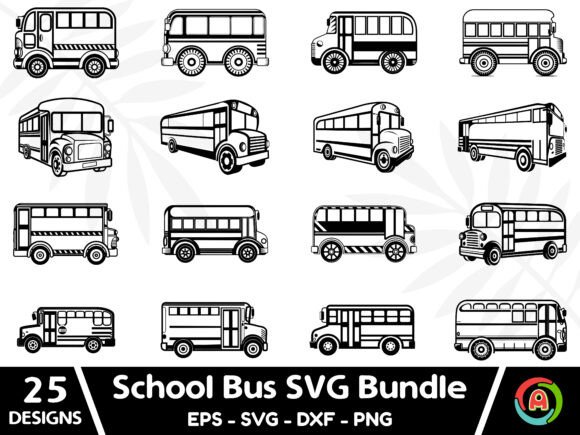
Opening this bundle, the theme is clear and cheerful. A school bus graphic inherently carries a mood of nostalgia, simplicity, and playful structure. It’s not overly sentimental; it’s iconic. This matters because the visual personality of an embroidery design dictates its final home. This isn’t a delicate floral pattern. It’s a bold, recognizable shape that speaks to school life, childhood, teachers, and students. My first thought was how perfectly it would suit a personalized gift—something for a teacher, a student’s first-day-of-school sweatshirt, or a nostalgic piece for a parent.
The layout, being a vector-based graphic, promises clean lines and scalable detail. That’s crucial. For machine embroidery, we need shapes that can be cleanly translated into satin stitches for outlines and fill stitches for larger areas without becoming muddy. A crisp, well-defined vector like this suggests the final embroidered patch or applique will have clear edges and good stitch clarity.
Where This School Bus Finds Its Best Home
Let’s picture a real scenario. I’m preparing a custom order for a local boutique that wants a line of embroidered tote bags for a teacher’s appreciation event. The School Bus SVG Bundle immediately comes to mind. On a sturdy canvas tote, this design would stitch out as a central, charming feature. Its simple form means it won’t get lost on the bag’s texture, and the bold lines would ensure it reads well from a distance—important for craft fair products or Etsy listings where visual impact sells.
Beyond tote bags, this design feels naturally suited for baby embroidery on a onesie or a small blanket, celebrating a child’s growth. On a sweatshirt embroidery project, it becomes a statement piece. As a embroidered patch, it could be applied to a backpack or a cap, offering versatility. For small shop merchandise like aprons or kitchen towels, it adds a thematic, homespun charm. The design’s strength is its straightforward, universally recognized subject, making it highly giftable and easy for customers to connect with.
Considering the Stitching Reality
In practical embroidery project use, a design like this needs careful planning. The bold shape is an advantage, but one must always consider stitch density. If the bus’s main body area is intended as a solid fill stitch, on a thin fabric like a t-shirt, it could become too stiff. Testing on scrap fabric first is non-negotiable. I’d also pay close attention to any smaller details, like potential tiny lettering or window outlines. These might require a smaller hoop size or adjustment to ensure they stitch out cleanly without puckering.
Fabric texture and color play a huge role. On a dark custom apparel like a navy cap, thread color contrast is key—bright yellows and oranges would pop beautifully. On a light-colored baby blanket, softer tones might work. The bundle’s inclusion of multiple file types (SVG, PNG, DXF, EPS) is helpful for creating printable mockups to preview these effects before ever loading the hoop.
Spots Where You Should Proceed with Caution
While versatile, not every application is ideal. On highly stretched fabric without proper stabilizer, a dense fill area could distort. Embroidering on a curved surface like a cap’s front requires checking that the design’s proportions still look balanced when stitched. Also, if the design has very fine decorative accents, they might not survive frequent washing on a garment, so positioning it on a more durable item like a tote bag or pillow cover would be wiser.
For small business owners and creative entrepreneurs, this affects product value and customer trust. Selling a baby onesie with embroidery that frays after a few washes hurts your brand. Knowing the limits of a design is part of professional commercial embroidery. The clean vector nature of this bundle suggests it can be scaled down, but at very small sizes for, say, a delicate handkerchief corner, some detail might be lost, reducing clarity.
Designer Notes for a Smooth Project
Before committing this School Bus SVG Bundle to a client’s project or your shop inventory, here’s my checklist:
- Always test on scrap fabric that matches your final product’s weight and texture.
- Check the design in both black and white mockups to gauge its performance on light and dark backgrounds.
- Review the intended thread colors for maximum contrast and appeal.
- Confirm the hoop size you’ll use can accommodate the design comfortably, allowing for clean detail.
- Use the appropriate stabilizer for your fabric to maintain the design’s shape.
- If using as an applique design, consider how the fabric layers will interact.
- Most importantly, given the description mentions being “created without copyright restriction,” you must confirm licensing details yourself before selling any finished product or incorporating it into digital product previews. Never assume.
The Final Impression: A Trustworthy, Versatile Asset
From a designer’s point of view, this School Bus SVG Bundle feels like a reliable, versatile design asset. Its iconic theme creates instant recognition, which boosts buyer engagement in a craft business setting. When stitched well on a suitable product, it enhances handmade presentation with a clean, professional look. It’s a design that doesn’t try to be everything; it knows its role and performs it with a friendly, confident simplicity.
For embroidery designers, apparel decorators, and hobbyists alike, it’s a graphic that translates well into the world of thread. It promises good stitch clarity and adapts to many projects, from personalized gifts to small shop merchandise. Just remember that the magic happens in the preparation—testing, planning, and respecting the craft. That’s how a simple vector file becomes an embroidered product that truly shines.