A Notebook SVG Design for Everyday Embroidery Projects
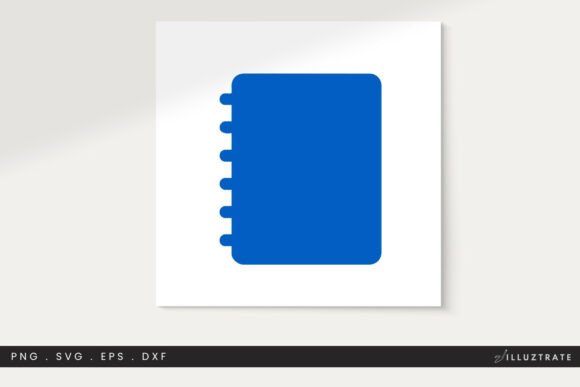
Let’s talk about this Notebook SVG, School Supplies Clipart design not as a digital file sitting on a screen, but as stitches on fabric. That’s the real test for any embroidery file. I’m looking at it from the perspective of someone who needs to turn it into a real, sellable, or giftable item. The first impression is clean and nostalgic. It’s not overly complicated, which is a good sign. The shapes are defined, the lines are clear, and it carries a universal, friendly personality. It feels like it belongs on something personal, something meant to be used and appreciated daily.
The Right Mood for Handmade Items
This design creates a mood of simplicity and warmth. It’s not flashy. It’s familiar. That visual personality makes it a natural fit for projects where you want to evoke a sense of nostalgia, learning, or personal reflection. Think about a custom embroidered tote bag for a teacher, a sweatshirt for a student, or a pillow cover in a cozy reading nook. It’s the kind of graphic that feels handmade and approachable, which is exactly what customers often look for in boutique products or personalized gifts.
Where This Design Stitches Up Perfectly
In real-life embroidery situations, a design like this performs best where its clean lines can shine. I’d immediately consider it for:
- Custom apparel: A centered design on a cotton t-shirt or the corner of a sweatshirt.
- Functional decor: Embroidered neatly onto a kitchen towel or apron for a crafty, homey feel.
- Personalized gifts: A small, subtle version on a baby blanket or nursery decor piece.
- Small business merchandise: As a consistent branding element on tote bags or caps for a shop with a creative, educational theme.
- Embroidered patches: Its defined borders make it a candidate for a standalone patch.
The value here is in its versatility. For an Etsy seller or craft fair vendor, one strong machine embroidery design can be adapted across multiple products, creating a cohesive line. This Notebook SVG design could anchor a whole collection of school-themed or journal-themed items.
Scenarios Where I’d Use This Design Carefully
Not every design works everywhere, and a professional knows that. Here’s where I’d proceed with caution with this clipart:
- Very small hoop sizes: If you try to shrink it down too much for a tiny baby item cap, some of the finer details might get lost or become too dense.
- Highly textured or stretchy fabrics: The clarity of the shapes depends on a stable base. A slub linen or a stretchy knit might require extra stabilizer and testing.
- Dark fabric backgrounds: You’d need to think carefully about thread color contrast. A white or light satin stitch on a dark denim jacket would pop, but tiny internal lines might need simplification.
- Curved surfaces like caps: The flat, graphic nature of the design means you need to check how it distorts on a curved crown. A test run is essential.
- Products needing frequent washing: If the design has areas of high stitch density, it can become stiff. For a frequently laundered kitchen towel, you’d want to ensure the stitch settings are appropriate for durability.
These aren’t negatives; they’re just practical considerations. Knowing them ahead of time saves time, thread, and fabric.
How This Design Translates to Customer Appeal
When you stitch this Notebook SVG design well, it affects everything downstream. The stitching clarity speaks directly to customer trust. A clean, well-defined embroidered patch on a tote bag looks professional. That handmade presentation feels intentional and skilled, not amateur. For a gift, like a personalized pillow for a graduate, it becomes a recognizable and sentimental item. For a small shop product, it contributes to brand consistency if you use it across a range. It engages buyers because it’s easy to understand and feels authentic.
Practical Notes From the Hoop
Before I’d load this file for a client project or my own craft business inventory, here’s my checklist:
- Test on scrap fabric first. Always. Use the same fabric and stabilizer you plan for the final product.
- Check thread color contrast. Run mental mockups—how would it look in a single bold color? How would it look with two or three colors for depth?
- Review the potential stitch density. Are there areas that might become too thick? This influences the fabric choice and product feel.
- Confirm your intended hoop size works. Does the design maintain its integrity at the size you want?
- Inspect the small details. Are there corners or lines so fine they might vanish or blur in stitching?
- Test it in digital black and white mockups. See how it looks as a graphic on a printable mockup for your Etsy listing. Does it scale well?
- Compare how it reads on light and dark backgrounds. You might need two slightly different thread plans for different product lines.
- Use the proper stabilizer. This is non-negotiable for maintaining the design’s precision.
- Check the licensing. Before selling finished items or using it in commercial embroidery projects, confirm what’s allowed. The product description mentions multiple file formats like SVG, DXF, EPS, and PNG, which is great for versatility, but the specific license terms are crucial for business use.
Remember, a design file is a starting point. Your skill and these preparations turn it into a finished product that stands out.
The Final Stitch: A Design for Makers
This Notebook SVG, School Supplies Clipart design, from the Crafts and Graphics world, is a solid asset. It’s not a niche, overly detailed piece that only fits one thing. It’s a workable, charming graphic that can translate across many embroidery projects. Its strength is in its straightforwardness, which makes it a reliable choice for hobbyists making gifts and for entrepreneurs building a product line. Approach it with a practical eye, respect the needs of your fabric and machine, and you’ll end up with an embroidered item that feels just right—unpretentious, well-made, and full of character.