A Kindergarten Teacher Embroidery File for Real Projects
The Warm, Welcoming First Impression
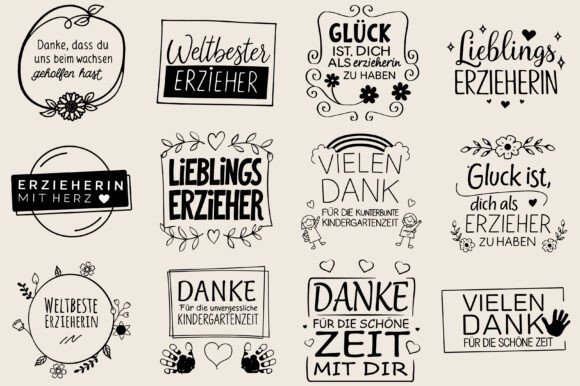
When I first opened this German Kindergarten Teacher Plotter File, its charm was immediate. This isn’t a generic, sterile graphic; it feels crafted with a sense of warmth and appreciation. The theme instantly conjures a mood of gratitude and celebration—perfect for a farewell gift or a simple “thank you” to a dedicated educator. The visual personality leans towards being friendly and slightly sentimental, without being overly cluttered. The layout and detail level suggest it’s designed for clarity, which is exactly what you want when translating a digital file into physical stitches. My designer’s instinct tells me this belongs on projects meant to convey personal connection: a custom tote bag for the teacher to carry her supplies, an embroidered pillow cover for a classroom reading corner, or a personalized apron.
Where This Design Shines in Real-Life Embroidery
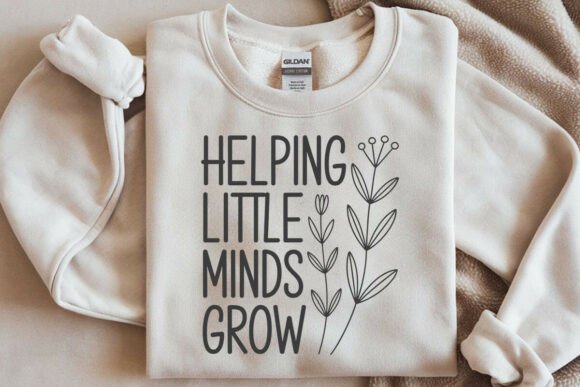
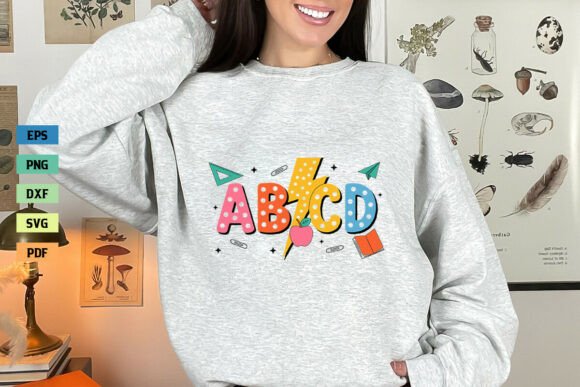
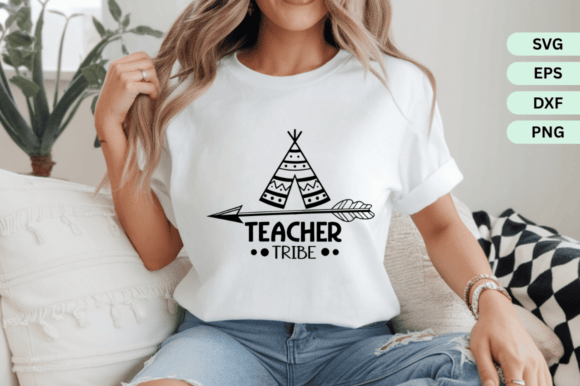
Thinking about actual application, this embroidery file has a versatile sweet spot. For client projects or small business merchandise, it’s ideal for personalized gifts. Imagine a beautifully embroidered cotton tea towel or a cozy blanket, presented as a kindergarten farewell gift from a class. As an Etsy seller, you could offer it on custom apparel like sweatshirts or t-shirts for teacher appreciation days. The “thank you” element makes it a strong candidate for holiday gifts or boutique products focused on educators.
For craft business items, consider it for embroidered patches that can be ironed onto a backpack, or directly stitched onto baby clothes if the teacher is also a parent. In terms of commercial embroidery, this design could work well for small shop products like caps or aprons if the scale is adjusted appropriately. The design’s appeal likely translates well into digital product previews and printable mockups, helping you market the finished product effectively.
Evaluating Stitching Clarity and Project Value
Using a design like this in real work impacts several things beyond just aesthetics. The stitching clarity is paramount. A clean stitch-out will enhance customer trust and the handmade presentation, making the item feel professionally crafted rather than hastily made. For a creative entrepreneur, this adds to product value and brand consistency. A well-executed embroidery of this theme on a tote bag, for instance, increases its giftability and the emotional recognition it receives. It engages buyers because it speaks to a specific, heartfelt moment.
Considerations for a Successful Stitch-Out
While the design’s mood is promising, practical judgment is needed for the embroidery project itself. Based on the description, this is a graphics file provided in a ZIP folder. Its performance will depend entirely on how it’s prepared for your machine embroidery design software. Here are key points to think through before hooping any fabric.
Where to Use Carefully:
- Small Hoop Sizes: If the design has intricate elements or text like “kindergarten farewell,” test it at a smaller scale first. Tiny lettering can become muddy.
- Textured or Stretchy Fabrics: Think of sweatshirts or caps. These require good stabilizer and potentially adjusted stitch density to prevent distortion.
- Dark Fabric: The thread color contrast is crucial. A light-colored thread scheme might be needed for optimal visibility.
- Detailed Corners and Dense Areas: Inspect the file’s small details. Complex corners might need a slower stitch speed or a lighter fill stitch to avoid puckering.
- Products for Frequent Washing: For kitchen towels or baby items, ensure the stitch structure is robust enough to handle laundering.
Essential Embroidery Designer Notes
My standard workflow for any new file, including this German Kindergarten Teacher Plotter File, involves a few non-negotiable steps. I strongly advise you to follow them to avoid wasted materials and time.
- Test on Scrap Fabric First: Use a fabric similar to your final project. This reveals issues with stitch density, tension, or unexpected jumps.
- Check in Black and White Mockups: View the design without color to assess its form and balance. Compare how it looks on light and dark fabric texture backgrounds in your software.
- Confirm Hoop Size Requirements: The physical size of the design will dictate your hoop. Don’t assume it will fit your standard hoop.
- Review Licensing for Commercial Use: Before selling finished items like embroidered patches or custom apparel in your craft business, confirm the file’s license allows for commercial embroidery projects.
- Plan Your Thread Colors: The mood of the design—warm and appreciative—suggests a palette of cheerful, soft colors. But your choice should complement the final product’s base color.
The Final Verdict for Makers and Entrepreneurs
From the perspective of an experienced designer reviewing this for real project use, the German Kindergarten Teacher Plotter File holds genuine potential. It’s not just a digital embroidery file; it’s a design asset for creating products with emotional resonance. For handmade shop owners and apparel decorators, it fills a niche for educator appreciation and sentimental gifts. Its success, however, hinges on your preparatory work. A meticulous test stitch on a scrap of that tote bag canvas or sweatshirt fleece will tell you everything about its visual appeal after stitching. If the file is clean and well-digitized, it will produce a charming, professional-looking finished product that customers and recipients will truly value. It feels like a design meant to be stitched with care and given with meaning.