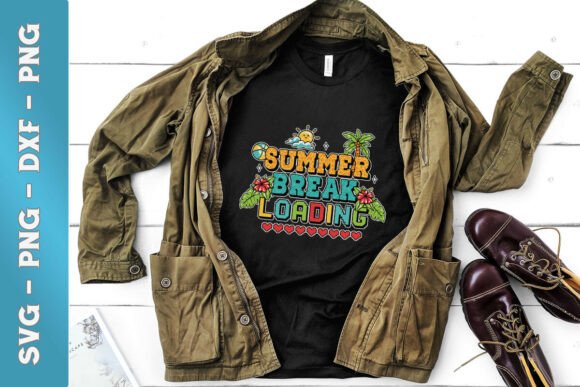
A Designer's Take on the Summer Break Loading SVG
When a design file lands in my folder, my first question is always practical: what will this actually look like when it’s stitched out? I’m not just looking at the screen preview; I’m imagining it on fabric, in a hoop, and finally, on a finished product. The Summer Break Loading School s out SVG immediately strikes a specific, cheerful mood. The "loading" bar concept is clever—it’s modern, it’s playful, and it taps into that universal feeling of anticipation. The layout is graphic and bold, which is a great starting point for embroidery. This isn’t a delicate, floral motif; it’s a statement piece with a strong visual personality, perfect for projects that need to feel fun and contemporary.
Where This Design Finds Its Home
In my studio, a design like this wouldn’t sit idle. I see it embroidered on a heavyweight cotton sweatshirt for a back-to-school giveaway, or as a bright patch on a canvas tote bag for a teacher’s gift. The graphic nature makes it ideal for custom apparel: t-shirts, hoodies, and especially baby clothes like a little romper—it’s that kind of cute, celebratory message. For a craft business, this could easily become a staple for seasonal merchandise. Think embroidered pillow covers for a sunroom or a simple, clean stitch on a kitchen towel for a summer-themed bundle. Its strength is in its thematic clarity, making it a solid choice for holiday gifts or small shop products aimed at families and educators.
Considering the Stitch: Practical Application Notes
Moving from concept to machine, this design’s bold shapes are a major advantage. Large, clear elements like the loading bar and text mean good stitching clarity. You won’t be battling tiny, intricate details that can get lost or become overly dense. However, that "loading" bar itself warrants attention. If it’s intended as a solid block, the stitch density for a fill stitch will be key. On a stretchy fabric like a t-shirt, a very dense fill could create tension. On a thick fabric like a sweatshirt, it would look fantastic. The lettering, depending on its size, will likely be best executed with a crisp satin stitch for definition.
I would always advise testing this embroidery file on scrap fabric first, especially if you’re planning to use it on a tricky base. Textured fabrics like some towels, or dark fabric backgrounds, require careful thread color selection to maintain contrast and impact. That playful, modern feel needs to pop, not muddy. For curved surfaces like caps, the design’s rectangular bar might need a slight adjustment in placement to look natural, but the overall graphic style should adapt well.
The Business of a Good Design
From a small business owner or Etsy seller perspective, a design like this adds value through its recognisable theme. It tells a story instantly, which enhances product value and buyer engagement. A customer looking for a "school's out" gift knows exactly what they’re getting. This clarity builds customer trust. When embroidered cleanly on a quality handmade product, it looks professional and intentional—it’s not a generic transfer. For personalized gifts, you could easily pair it with a name or date, leveraging the strong base layout.
Its graphic nature also makes it excellent for printable mockups and digital product previews. If you’re a digital product seller offering the finished embroidered item, the clean lines present well in photos. For commercial embroidery projects, say for a local summer camp’s merchandise, the design is scalable and impactful. However, a crucial step for any craft business use is to confirm the licensing terms for the SVG file itself before selling finished items. The product description notes it’s a digital cutting file, so verifying its suitability for commercial use is an essential, non-creative bit of homework.
Handling the Details: A Designer's Checklist
Before I’d run this for a client or my own shop, my mental checklist kicks in. First, hoop size. The design’s width will determine the minimum hoop needed—a too-small hoop might cramp the layout. I’d check the available file layers to see if there’s an applique design possibility, which could be a wonderful way to use contrasting fabrics for the bar element, reducing stitch time and adding texture.
I’d review the small details, like the corners of the loading bar and any punctuation in the text, to plan my stabilizer choice. A good stabilizer is the unsung hero that ensures those corners stay sharp after washing. Speaking of washing, for products like baby embroidery on garments or frequently-used tote bags, I’d consider a slightly reduced density for durability. Finally, I always test a design in both black and white thread on my standard scrap fabric. This isn’t just about color; it’s about seeing how the structure holds up without color psychology influencing my judgment. Does the design’s personality still communicate when it’s just shapes and stitches?
The Summer Break Loading School s out SVG has that immediate, useful charm that translates well into the physical world of embroidery. It feels ready for a project. With practical attention to fabric, stitch settings, and end-use, it can become a reliable, appealing asset for a crafter’s personal projects or a maker’s commercial lineup. It’s a design that doesn’t just sit on a screen—it asks to be stitched out and put to work, celebrating that first day of summer freedom.